Voices of Lowestoft

The Excelsior

Oral Histories Project

Preserving Living Maritime Heritage

Recording the voices, memories, skills and experiences of the people who shaped Lowestoft’s fishing, boatbuilding and maritime communities.

Why This Matters?

What Is The Project?

The Excelsior Connection

Get Involved

Why this matters?

Once These Stories Are Lost, They Are Gone Forever

Lowestoft’s maritime heritage was built not only through vessels and industry, but through people—their knowledge, experiences, skills and stories.


Today, many of those who lived and worked through the final generations of the traditional fishing industry, maritime trades and heritage vessel restoration are reaching an age where this knowledge risks being lost forever.


The Excelsior Oral Histories Project exists to preserve these voices for future generations.


The Excelsior Oral Histories Project forms part of the Excelsior Digital Heritage Centre, an initiative dedicated to preserving maritime heritage while developing practical digital skills in archiving, imaging and historical interpretation.

The easy way to start

What Is The Oral History Project ?

Capturing the Voices Behind the Heritage


The project records interviews and conversations with individuals connected to:

  • Lowestoft’s fishing industry
  • Traditional boatbuilding and shipwrighting
  • Maritime engineering and sailing
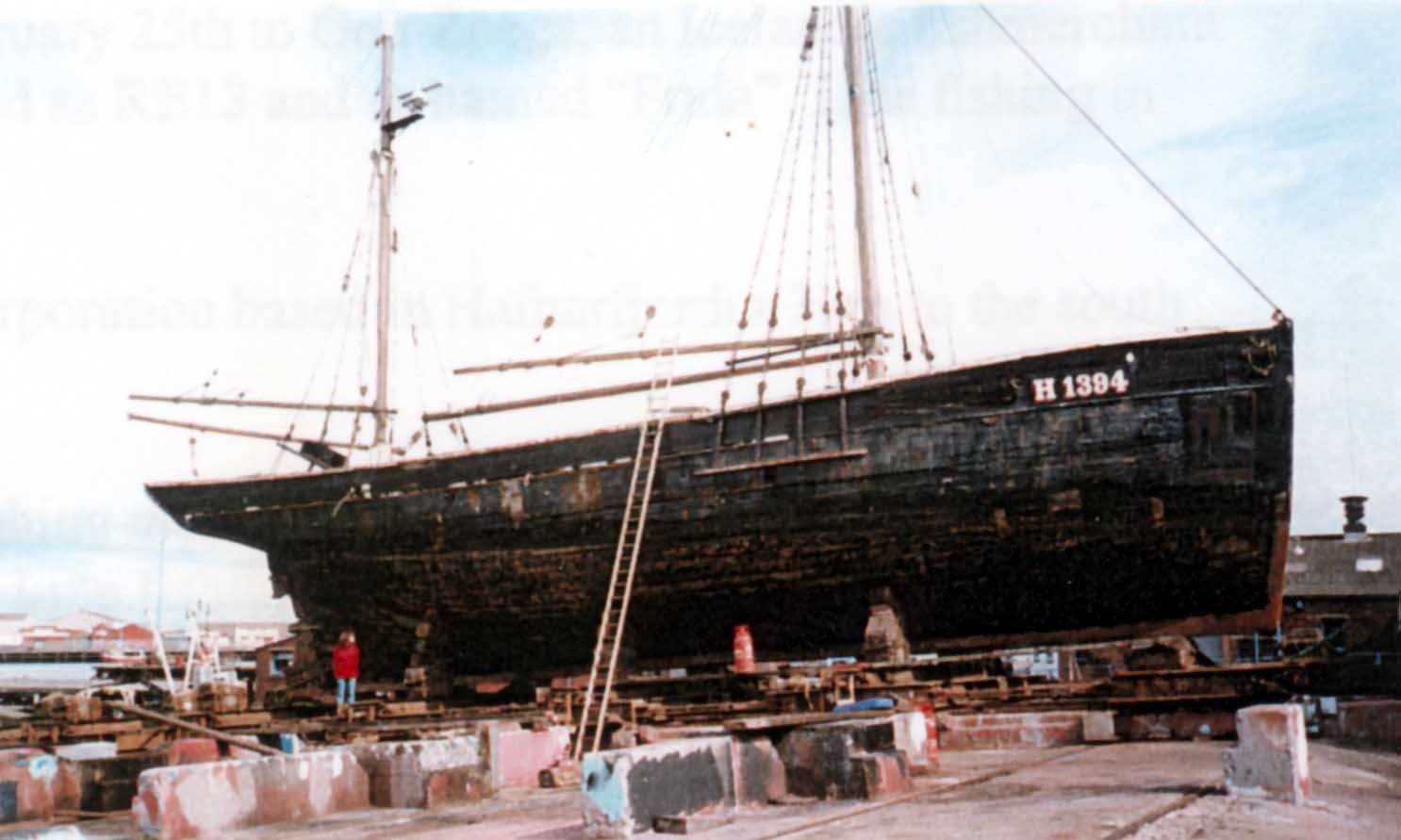
  • The saving and restoration of Excelsior LT472
  • Community life connected to the sea

These recordings preserve not only historical facts, but the human experiences, culture, language and working practices that shaped the town’s maritime identity.

A Living Heritage Platform

At the centre of the project is Excelsior LT472—the last remaining Lowestoft fishing trawler.


Originally built in 1921 as a working fishing smack, Excelsior now serves as:


  • A working sail training vessel for people of all ages,abilities and backgrounds
  • A Duke of Edinburgh Gold Residential location
  • A practical wooden boatbuilding training environment
  • A backdrop for our Traditional Heritage & Skills Training Centre


The Oral Histories Project forms a key part of this wider heritage and skills initiative, ensuring that practical knowledge and lived experience are preserved alongside the vessel itself.

community participation

This is a Community-Led initiative.

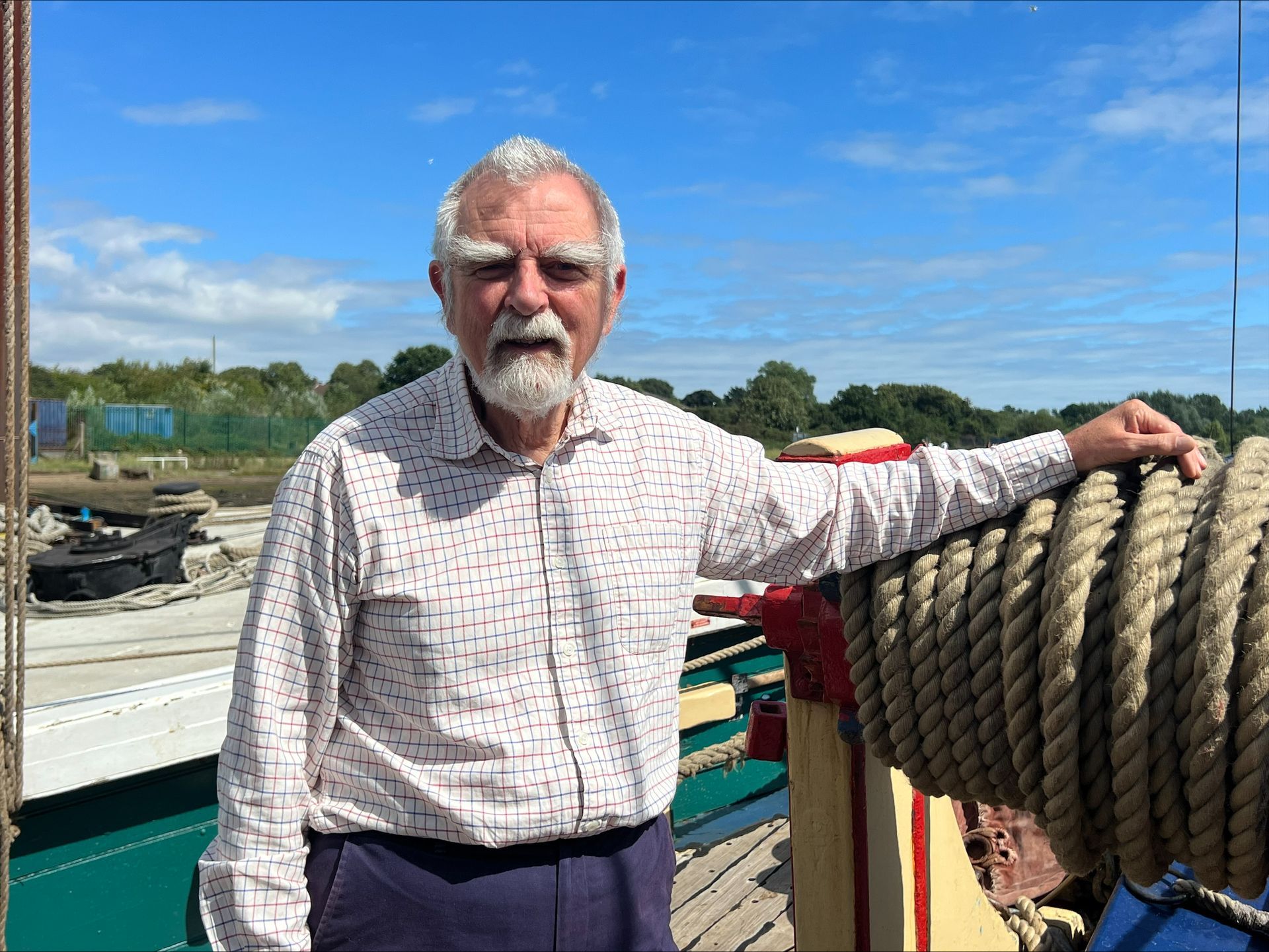
The project already involves more than 30 volunteers from Lowestoft’s fishing and maritime communities, alongside trustees and supporters with direct experience of saving, restoring and operating Excelsior.


This includes:


  • Former fishermen
  • Shipwrights and boatbuilders
  • Sailors and maritime workers
  • Heritage volunteers and historians
  • Individuals directly involved in Excelsior’s restoration and operation


Together, they represent a remarkable body of knowledge and lived experience.

Digital Heritage & Preservation


Preserving Knowledge for Future Generations

The project combines traditional oral history techniques with modern digital preservation methods.

Interviews will include:

  • Audio recording
  • Video documentation
  • Photography and imaging
  • Digital archiving and transcription

These materials will form part of a growing maritime heritage archive designed to support:

  • Education
  • Research
  • Community engagement
  • Future exhibitions and interpretation 


Read more

By connecting personal experience with practical learning, the project ensures maritime heritage remains active, relevant and meaningful.

Education & Impact

  • 1. Preserve Endangered Kowledge

    The Oral Histories Project helps preserve valuable knowledge and experiences that might otherwise be lost, while inspiring younger generations to connect with their maritime heritage and community. By capturing real stories, skills and memories, the project supports heritage education, strengthens local identity and creates accessible historical resources that can inform, educate and inspire future generations.

  • 2. Inspire Yonger Generations

    The Oral Histories Project helps inspire younger generations by connecting them with real people, real experiences and the living history of their community. Through stories of fishing, sailing, boatbuilding and resilience, young people gain a deeper understanding of local heritage, practical skills and the value of teamwork, identity and shared experience.

  • 3. Support Heritage Education

    The Oral Histories Project supports heritage education by creating authentic learning resources based on real experiences, skills and historical knowledge from Lowestoft’s maritime community. These recordings and archives help bring history to life, providing schools, researchers and future generations with direct access to the voices, practices and traditions that shaped the town’s maritime heritage.

  • 4. Strengthen Community Identity

    The Oral Histories Project helps strengthen community identity by preserving and celebrating the stories, experiences and traditions that have shaped Lowestoft’s maritime culture. By capturing the voices of local people and recognising their contribution to the town’s heritage, the project creates a stronger connection between past and present while fostering pride, belonging and shared understanding within the community.

  • 5. Create Historical Resources

    The Oral Histories Project creates valuable historical resources by recording and preserving first-hand accounts, skills and experiences connected to Lowestoft’s maritime heritage. These materials will form part of a growing digital archive that can support education, research, exhibitions and future heritage projects, ensuring that important local knowledge remains accessible for generations to come.

Get Involved

Help Preserve Lowestoft’s Maritime Story

We are always keen to hear from:

  • Former maritime workers
  • Families with maritime connections
  • Volunteers and researchers
  • Community organisations
  • Potential supporters and funders


Do It Now - Please